


What's the Difference Between a Latex and Memory Foam Mattress
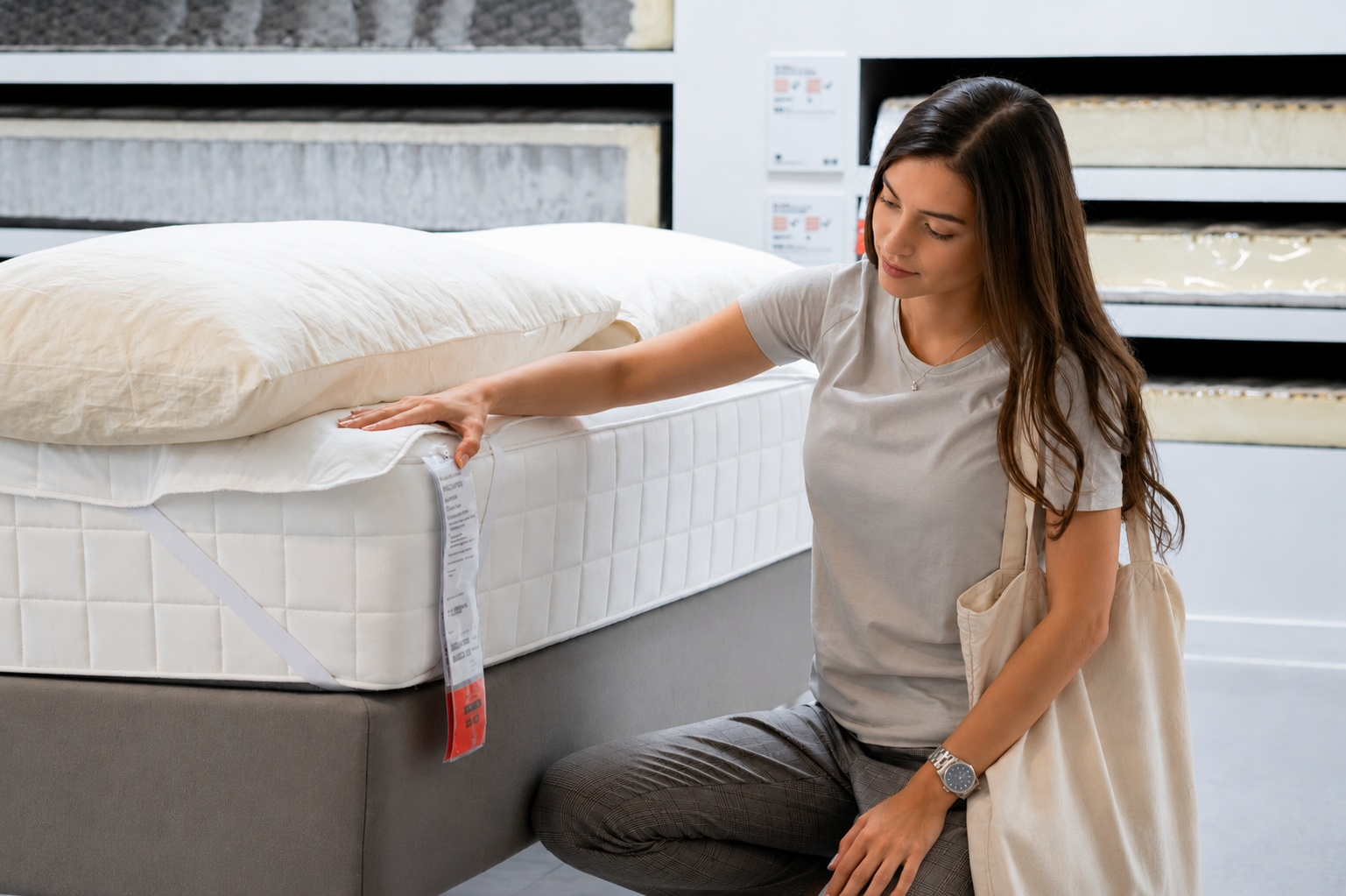
Finding the right sleep surface is one of the most personal choices you will make for your home wellbeing. The debate between different mattress technologies often leaves people wondering which material will truly support their nocturnal rest. When evaluating new mattresses, the two most prominent contenders you will encounter are latex and memory foam. Each material offers distinct physical properties that change how your body rests throughout the evening.
Restful Sleep Foundations: Latex Versus Memory Foam
The primary distinction between these two premium materials lies in how they respond to your body weight and movement. While both configurations eliminate the traditional metal springs found in classic beds, they create entirely different sensations of support. One material acts like a deep cushion that cradles your frame, while the other provides an active lift that keeps you floating on top. Understanding these fundamental mechanical behaviors will guide you toward the ideal choice for your sleeping style.
The Adaptive Contour of Memory Foam
Memory foam consists of an advanced polyurethane material originally developed to improve seat cushioning and impact protection. When you lie down, the material utilizes your natural body heat and pressure to soften and mold precisely to your unique shape. This creates a deeply comforting sensation often described as sleeping inside the mattress rather than on top of it.
By forming a personalized cradle around your pressure points, memory foam significantly reduces the stress on your hips, shoulders, and lower back. This deep contouring makes it an exceptional choice for individuals who suffer from chronic joint discomfort or morning stiffness. Furthermore, the material absorbs energy effortlessly, which completely isolates motion so that sleep partners can rest undisturbed throughout the night.
The Lively Bounce of Natural Latex
Natural latex is derived from the sap of rubber trees, resulting in an eco-friendly material known for its remarkable elasticity. Unlike synthetic foams that sink slowly under heat, latex responds instantly to your weight with an energetic, buoyant lift. Instead of sinking deep into a localized cradle, you stay positioned directly on top of the sleeping surface. This responsive quality makes it incredibly easy to change positions without feeling trapped in a groove.
The inherent open-cell structure of natural latex allows air to circulate freely through the interior core of the bed. This continuous ventilation prevents heat retention, keeping the sleep environment naturally cool and comfortable even during warm summer nights. Sleepers who prefer a more traditional, springy feel without actual metal coils will find this material exceptionally rewarding.
Balancing Temperature Control and Motion Support
When comparing everyday performance, temperature management and motion isolation represent two critical factors for long-term comfort. Memory foam is historically known for retaining heat due to its dense nature, though modern variations often incorporate cooling gels to counteract this tendency. Latex remains inherently breathable because its organic composition does not rely on chemical reactions to conform to your body.
Reviewing how these mattress types compare in daily use can help you visualize their practical benefits:
· Memory foam delivers excellent pressure relief by deeply cradling sensitive joints and eliminating friction.
· Latex offers incredible responsiveness and an eco-friendly profile that appeals to sustainable lifestyles.
· Memory foam provides superior motion isolation, ensuring that a restless partner will not wake you.
· Latex maintains natural temperature regulation through superior internal airflow that disperses body heat.
Longevity and Core Durability Factors
Investing in high-quality home furniture requires a clear understanding of product lifespan and overall construction durability. Natural latex generally leads the bedding industry in longevity, frequently maintaining its shape and resilient support for well over a decade without sagging. Memory foam also provides impressive durability, though lower-density versions may soften or show body impressions over extended years of continuous use.
To experience the physical differences between these options firsthand, it helps to test them in a dedicated environment. Visiting a local furniture showroom allows you to lie down on each material and evaluate the precise level of contour versus bounce. Our experienced furniture experts are always on hand to explain how different manufacturers construct their support cores. Taking the time to test these surfaces in person ensures that you make a confident decision for your bedroom.
Discover Your True Sleep Comfort With Us
We at Furniture of Dalton are proud to help families throughout North Georgia and Tennessee, including Chattanooga, Ringgold, Calhoun, and Atlanta, discover the ultimate sleep experience. Our beautiful Dalton showroom features a premier selection of sleep systems tailored to your unique comfort needs. Contact us today to speak with our team and start transforming your nightly rest.
-

Family Feast Sale: Gather, Save & Celebrate This October
October 01 2026 -

-

-
Matching Mattress Firmness to How You Sleep
September 12 2026 -

Styling Open Air Verandas with Weather Resistant Daybeds
September 03 2026